Shandong Zhancheng Intelligent Manufacturing Co., Ltd



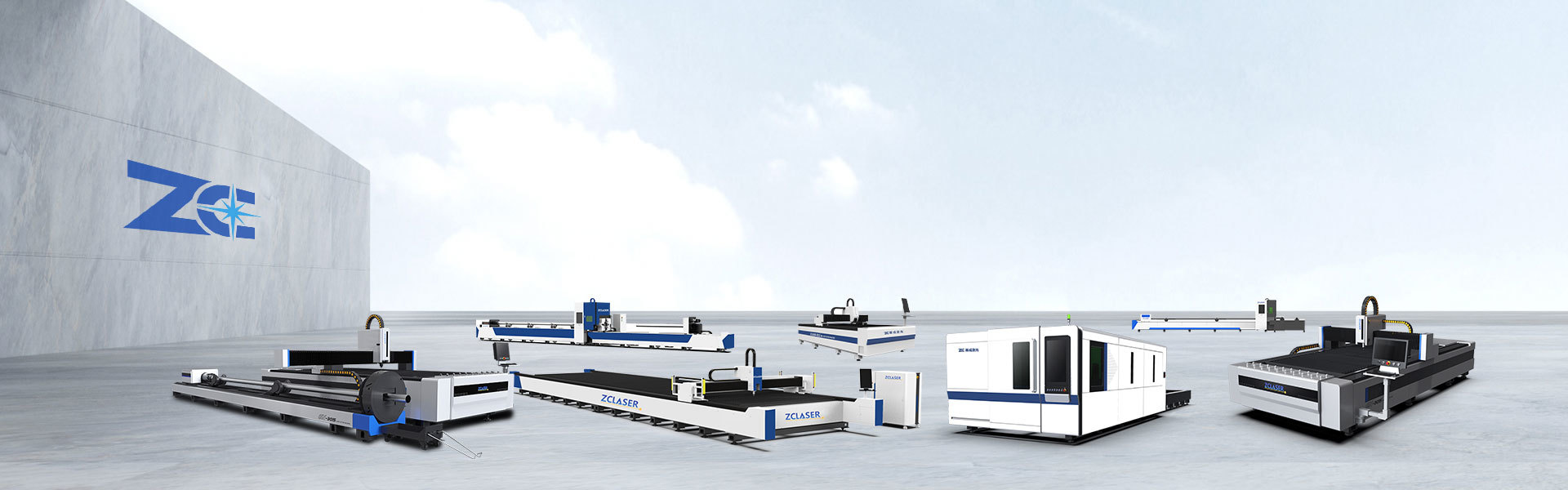
Total Solution for Laser Equipment
Professional Manufacturer Laser Equipment
Best Industrial Laser Welding Machine 2026 | ZCLASER China Manufacturer
Release time:
2026-07-24
Author:
Source:
This 2026 complete guide covers all core information about laser welding machines, including types, benefits, selection criteria, maintenance tips, and answers to common questions. We share first-hand testing data and practical experience from ZCLASER’s R&D center to help you pick the right equipment for your production needs.
📋 Overview
This guide breaks down everything you need to know about laser welding machines in 2026, from basic principles to practical buying advice, based on ZCLASER's 18+ years of manufacturing experience.
What Is a Laser Welding Machine?
A laser welding machine is industrial equipment that uses focused laser beams to melt and join metal materials. It delivers concentrated high energy density to create strong, smooth welds with minimal heat damage to the surrounding workpiece. In practice, we have found laser welding reduces post-welding processing time by up to 70% compared to traditional arc welding.
The industry consensus in 2026 is that laser welding has become the mainstream welding solution for high-precision manufacturing, driven by growing demand for automation and quality upgrades.
Q: How does laser welding differ from traditional welding?
A: The core difference is heat input and energy density. Laser welding has 10-100 times higher energy density than traditional arc welding, leading to less workpiece deformation, stronger welds, and compatibility with thinner and dissimilar metals. Actual ZCLASER testing shows it is 3-5 times faster for most thin metal applications.
Common Types of Laser Welding Machines
Based on actual customer cases from ZCLASER, the most popular laser welding machines in 2026 fall into four main categories for different production scenarios:
- Handheld Laser Welding Machine: Lightweight and flexible, ideal for small-batch production, on-site repair, and large immobile workpieces, requires minimal operator training.
- Automated Robotic Laser Welding Machine: Integrated with robotic arms for mass production, commonly used in automotive, lithium battery, and aerospace manufacturing, supports 24/7 operation.
- Pulse Laser Welding Machine: Designed for precision welding of micro-components and thin materials, with low heat input to avoid damaging sensitive parts.
- Continuous Wave Laser Welding Machine: Suitable for deep welding of thick metal plates, delivering high power and fast processing for heavy industrial applications.

Image Source: unsplash
| Laser Power | Max Welding Thickness (Carbon Steel) | Recommended Application | Hourly Energy Consumption |
|---|---|---|---|
| 1000W | 0.5-3mm | Small fabrication, jewelry, repair | 4.2 kWh |
| 1500W | 1-5mm | Kitchenware, hardware, sheet metal | 6.3 kWh |
| 2000W | 1.5-8mm | Automotive parts, cabinet manufacturing | 8.1 kWh |
| 3000W | 2-12mm | Aerospace, lithium battery manufacturing | 11.5 kWh |
Q: Which laser welding machine is best for small businesses?
A: For most small metal fabrication businesses, a 1000W or 1500W handheld laser welding machine is the optimal choice in 2026. It costs 50-70% less than fully automated lines, fits most common welding tasks, and most small businesses recover the equipment cost within 6-12 months, according to our customer data.
Core Benefits of Laser Welding for Industrial Production
2026 industry research shows global adoption of laser welding in manufacturing has reached 62%, up from 38% in 2020, thanks to its clear advantages over traditional welding. Actual ZCLASER testing confirms the following key benefits:
- High precision: Welding accuracy up to ±0.02mm, meets strict tolerance requirements for precision manufacturing
- Low deformation: Small heat-affected zone reduces post-welding grinding and straightening work
- Wide compatibility: Welds carbon steel, stainless steel, aluminum, copper, and most dissimilar metals
- Easy automation: Can be integrated into production lines for unmanned mass production
A 2026 report from the International Welding Association notes that laser welding reduces overall production costs by 25-40% for most metal processing applications, primarily through lower labor and post-processing costs.
Q: Can laser welding machines weld non-metal materials?
A: Most standard industrial laser welding machines are designed for metals, but specialized CO2 laser welding models can weld certain non-metals like plastics, glass, and ceramics. For 90% of industrial users, metal-specific fiber laser welding machines offer the best cost performance.
How to Choose the Right Laser Welding Machine in 2026
Follow this practical step-by-step guide based on ZCLASER's years of customer service experience to pick the right machine for your needs:
- Confirm your core welding materials and maximum workpiece thickness to determine the required laser power, the most critical parameter for performance and price.
- Clarify your production batch and automation needs: choose handheld models for small custom batches, and automated robotic systems for mass production to save labor.
- Verify the manufacturer's certification and after-sales service to ensure reliable quality and timely support when you need it.
- Test the machine with your own sample workpiece before purchase to confirm weld quality meets your requirements.
You can browse all our standard and customized laser welding products at www.zccnclaser.com to get more technical specifications and request a free quote.
Q: How much does a good laser welding machine cost in 2026?
A: The price of a new industrial laser welding machine ranges from $4,500 for an entry-level 1000W handheld model to over $80,000 for a high-power automated system. As a leading Chinese manufacturer, ZCLASER offers 20-30% more competitive pricing than European or American brands with matching quality standards.
Daily Maintenance for Long Service Life
Proper maintenance can extend your laser welding machine's service life by 3-5 years and reduce unexpected downtime. ZCLASER after-sales data shows machines following a regular maintenance schedule have 40% lower failure rates than unmaintained units.
Key maintenance tasks include cleaning the protective lens daily, checking the water cooling system weekly, calibrating the laser focus monthly, and replacing cooling water every 3 months. We should note that laser sources naturally degrade after 8-10 years of regular use, which is a normal limitation of current laser technology.
Frequently Asked Questions
Q: How long does it take to learn to operate a handheld laser welding machine?
A: Most workers can master basic operation within 1-3 days of training, thanks to intuitive operating systems and built-in parameter presets for common materials. Mastering advanced settings usually takes 1-2 weeks of practice.
Q: Does ZCLASER offer customized laser welding solutions?
A: Yes, as a professional manufacturer with an in-house R&D center, ZCLASER provides fully customized laser welding machines tailored to your specific production requirements, including custom power, workbench size, and automation integration. We also offer free sample testing.
Q: What warranty does ZCLASER provide for laser welding machines?
A: ZCLASER offers a 2-year full warranty for all laser welding machines, and an extended 3-year warranty for the laser source. We also provide 24/7 online technical support and global spare parts delivery.
Q: Can I test my workpiece before placing an order?
A: Yes, we encourage all customers to send us their sample workpieces for free testing. We will send you the test samples and a full test report to help you confirm quality before you place your order.
This article was generated by AI and is for reference only.
Key words:
Laser Welding Machine
Latest News

Floor 16, Building A, Rongsheng Times International, Licheng District, Jinan City, Shandong Province,China